 HEAD OFFICE :



Krill Oil: The Omega-3 Treasure from the Deep Sea
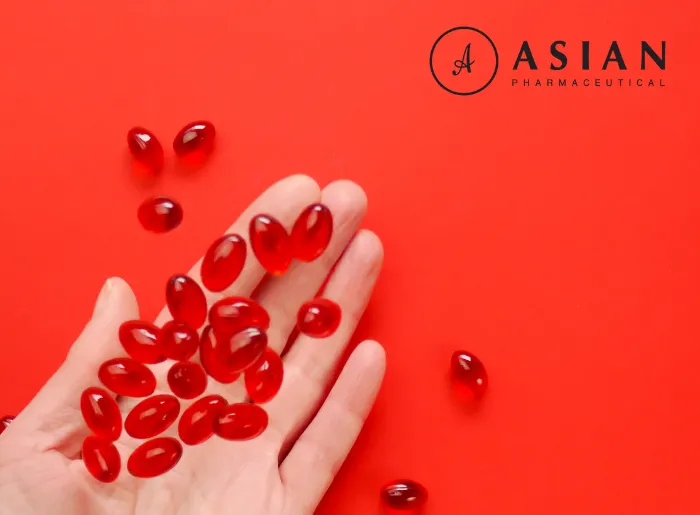
When the topic of 'Omega-3' is mentioned, many people might first think of Fish Oil. However, there is another treasure from the deep sea that is gaining attention among the health-conscious: 'Krill Oil.' It is extracted from tiny marine animals living in the Antarctic Ocean and is rich in vital nutritional compounds.
What is Krill Oil?
Krill oil is an oil extracted from small organisms known as "krill." They are shrimp-like crustaceans, typically 1-6 cm in size, with a transparent body and large black eyes. They live together in massive swarms in the Antarctic Ocean. The most prominent and ecologically vital species is the Antarctic krill (Euphausia superba), which serves as an excellent nutritional source within the ecosystem, feeding various marine animals like whales, seals, and penguins. Additionally, it is a crucial source of nutrients for humans, as it is a source of Omega-3 fatty acids, which the human body cannot produce on its own. It is also a source of Astaxanthin and Choline, which are beneficial to health.
Components of Krill Oil
- Omega-3 Fatty Acids
- Phospholipids
- Choline
- Astaxanthin
Omega-3 fatty acids are essential nutrients required by the body. Krill oil is rich in two main types of Omega-3: EPA (Eicosapentaenoic acid) and DHA (Docosahexaenoic acid), which play a significant role in the structure and function of cell membranes.
Phospholipids play a crucial role in krill oil's ability to promote health. They act as a 'carrier,' helping to deliver key compounds from the oil to various parts of the body. Furthermore, their lipid structure is similar to that of human cell membranes, enabling them to transport nutrients into cells with high efficiency.
Choline is an essential nutrient for the normal function of cells, particularly those in the nervous system and brain. It aids in signaling between nerve cells and plays a role in the body's fat metabolism and liver function. It is also a precursor to the neurotransmitter Acetylcholine, which is necessary for memory and muscle control.
This is a natural red antioxidant that gives krill oil its characteristic color. It has powerful antioxidant properties and helps protect the oil from oxidation, which causes rancidity. This makes it unnecessary to add other preservatives to krill oil.
The Key Features of Krill Oil
Krill oil is a source of Omega-3 fatty acids that benefits the body. Several special properties make krill oil an attractive Omega-3 option that should not be overlooked. Its key features can be summarized as follows:
1. Four Valuable Nutrients in One
Krill oil is not only a source of Omega-3 fatty acids (EPA and DHA) but also contains other naturally occurring nutrients beneficial to the body, including Choline, which is vital for nervous system and liver function, and Astaxanthin, a highly effective antioxidant.
2. A Superior Form of Omega-3
The Omega-3 fatty acids in krill oil are bound to phospholipids. This form allows the body to absorb and utilize Omega-3 in its cells more effectively when compared to Omega-3 from other sources, which are typically in the less absorbable triglyceride or ethyl ester forms.
3. Convenient to Take at Any Time
Krill oil contains phospholipids, which have a special structure with a hydrophilic head and a hydrophobic tail. This allows it to mix with both water and oil, meaning it does not require bile for absorption. Therefore, krill oil can be taken on an empty stomach or with a meal, without needing a high-fat meal to aid its absorption.
4. Easy to Take, Without the Unpleasant Aftertaste
One obstacle that prevents consumers from consistently taking marine-based supplements is the bothersome aftertaste. Krill oil is easy to consume without this issue. This is due to its Omega-3 structure being bound to phospholipids, which helps it disperse and mix well with stomach fluids upon consumption, reducing the chance of experiencing an unpleasant aftertaste or burps.
5. Omega-3 from a Pure Source
Krill oil originates from krill living in the Antarctic Ocean, one of the world's purest marine environments. As krill are at the beginning of the food chain, the oil extracted from them has a very low risk of accumulating contaminants and heavy metals compared to other Omega-3 sources.
Recommended Daily Dosage of Krill Oil
The general recommended dosage for krill oil starts at 500 – 1,000 mg per day. However, various studies have investigated its use in humans at doses as high as 4,000 mg (4 grams) per day to study its health benefits. You should consult a healthcare professional for appropriate and safe consumption.
Generally, krill oil is considered safe. Minor side effects may include nausea, bloating, abdominal discomfort, or heartburn.
Who Should Be Especially Cautious Before Taking Krill Oil?
While krill oil is a beneficial nutrient source, certain groups should exercise caution:
- Individuals with a history of seafood allergies, especially to shrimp and crab, should avoid taking krill oil.
- Those taking anticoagulant (blood-thinning) medications, such as Warfarin and Aspirin, should always consult a healthcare professional first.
- You should stop taking krill oil at least 2 weeks before undergoing surgery or dental procedures.
- Individuals with liver or kidney health problems should always consult a healthcare professional first.
Krill Oil is a superb nutrient from the sea with benefits for humans. With its key feature of Omega-3 in a phospholipid form that the body can use efficiently, combined with the powerful antioxidant Astaxanthin and the essential nutrient Choline, krill oil stands out as a remarkable choice for holistic health support. However, for maximum benefit and safety, one should consider the precautions and consult a healthcare professional for appropriate consumption.
Reference
1.Australian Antarctic Program. Krill. Retrieved July 31, 2025, from https://www.antarctica.gov.au/about-antarctica/animals/krill/
2.Just Vitamins. What's the difference between fish oil and krill oil? Retrieved July 31, 2025, from https://www.justvitamins.co.uk/blog/whats-the-difference-between-fish-oil-and-krill-oil/
3.Kubala, J. (2023, July 3). Krill oil: Benefits, when to take, and more. Healthline. https://www.healthline.com/health/nutrition/expert-answers-krill-oil
4.Marine Stewardship Council. Antarctic krill. Retrieved July 31, 2025, from https://www.msc.org/species/antarctic-krill
5.Tou, J. C., Jaczynski, J., & Chen, Y. C. (2007). Krill for human consumption: nutritional value and potential health benefits. Nutrition Reviews, 65(2), 63–77. https://doi.org/10.1111/j.1753-4887.2007.tb00283.x
6.Wright, R. (2024, September 4). What is krill oil? OmegaQuant. https://omegaquant.com/what-is-krill-oil/