 HEAD OFFICE :



Tablet Coating: The Art Behind the Pills We Take Every Day
Tablet Coating: The Art Behind the Pills We Take Every Day
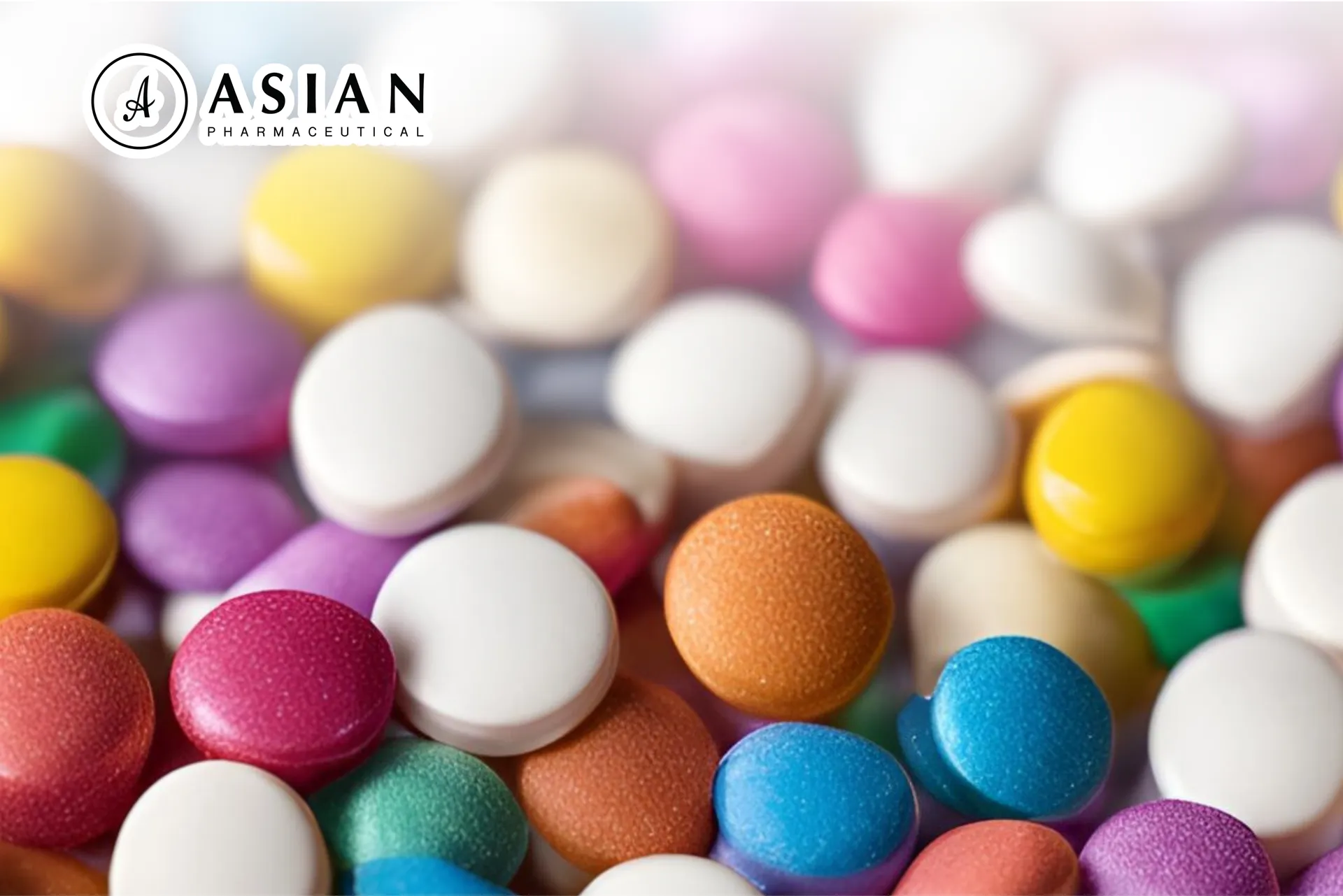
Have you ever wondered why some tablets are brightly colored, some have a shiny coating, and others need to be taken before or after meals? The secret lies in "tablet coating." Today, we will explore the three main types of tablet coatings: sugar coating, film coating, and enteric coating. We'll also explain which coating method is best suited for different types of medication.
1. Sugar Coating: Sweet and Classic
Sugar coating is a traditional method of coating tablets by applying multiple layers of sugar syrup. Each layer protects the drug from impact and moisture, smooths the tablet’s surface, adds color as desired, and finally, provides a glossy finish for an attractive appearance.
Advantages
Disadvantages
2. Film Coating: Modern and Efficient
As technology advances, film coating has become a popular method. This process involves applying a thin layer of polymer film onto the tablet, which dissolves or disintegrates quickly after ingestion.
Advantages
Disadvantages
3. Enteric Coating: The Guardian of the Drug and the Body
Enteric coating is designed to protect the drug from stomach acid and release it in the intestines, where the environment is more alkaline. This process uses acid-resistant polymers to coat the tablet.
Advantages
Disadvantages
Tablet coating is not just for aesthetics—it plays a crucial role in protecting the drug and enhancing its effectiveness. Whether it’s sugar coating for better taste, film coating for added protection, or enteric coating to safeguard the drug from stomach acid, each technique is essential in the pharmaceutical world. These methods ensure that we receive the full benefits of our medications.
Next time you take a tablet, take a closer look—what type of coating does your pill have?