 HEAD OFFICE :



Inulin : Prebiotic for Good Health
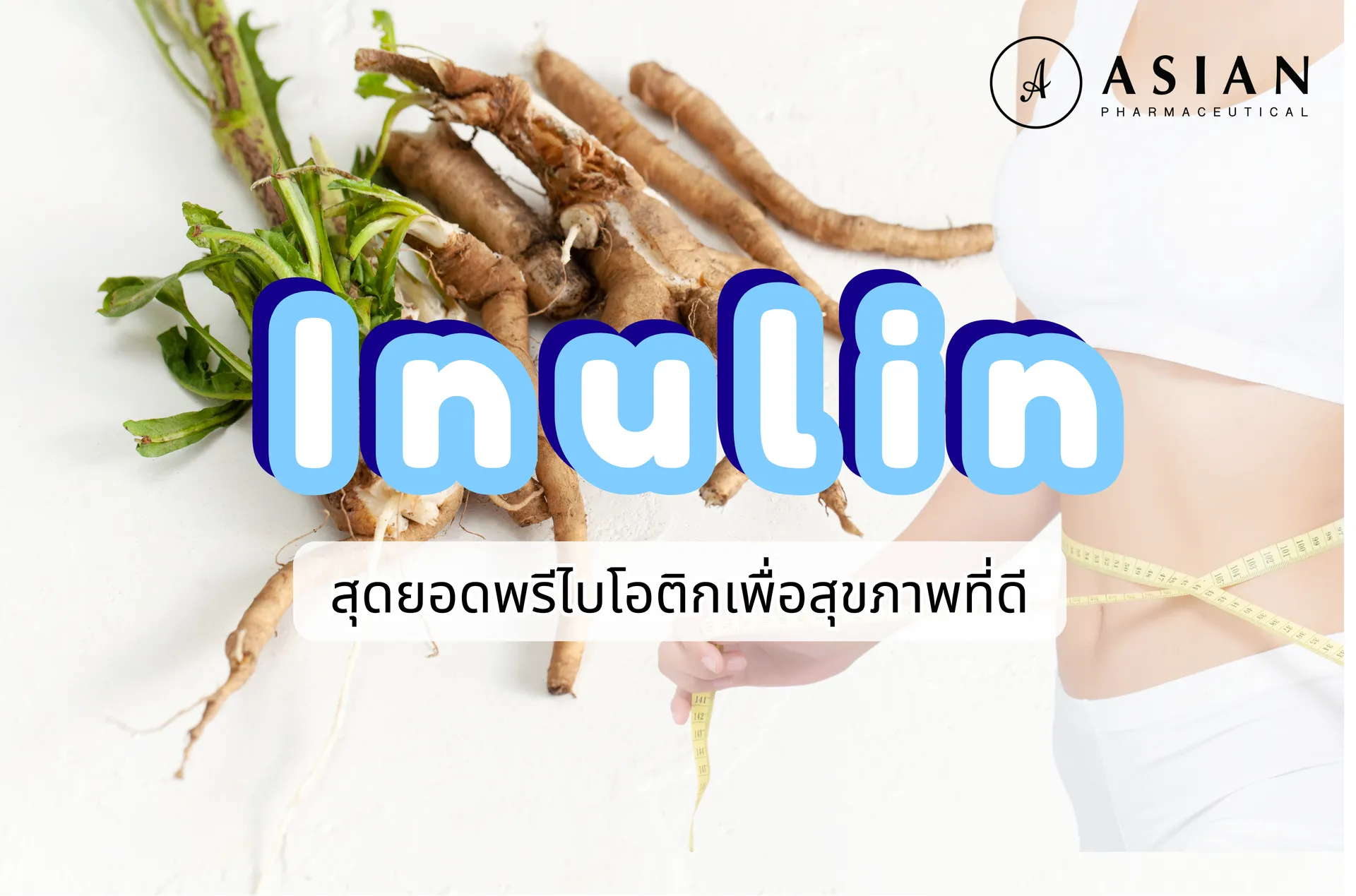
Most people are familiar with the term "probiotic", referring to the beneficial microorganisms for the body. But have you ever heard of the word "prebiotic"? Today, let's get to know inulin, a type of prebiotic that offers numerous health benefits.
Inulin is a natural prebiotic, a polysaccharide compound consisting of fructose molecules linked together 3-60 units, with a glucose molecule at the end. It is found in the roots and bulbs of plants such as chicory, mushrooms, onions, garlic, bananas, and artichokes. Inulin has a sweet taste and provides low energy. Humans cannot digest and absorb inulin, but it can be broken down by beneficial gut bacteria or probiotics like Lactobacillus and Bifidobacteria. Inulin helps increase their numbers in the gut while suppressing harmful bacteria. With this ability to promote the growth of beneficial microbes, inulin is classified as a prebiotic. Regular inulin consumption can thus help maintain good health.
The Benefits of Inulin
- Improve Bowel Function and Reduce Constipation
Inulin is not absorbed by the human body, which helps increase stool bulk and stimulate bowel movements. The short-chain fatty acids (SCFAs) produced when beneficial gut bacteria ferment inulin can also stimulate intestinal motility. Regularly consuming inulin can increase the frequency and consistency of bowel movements.
- Strengthen the Immune System and Reduce Risk of Illness
Our bodies contain both beneficial and harmful bacteria. When the balance of bacteria is disrupted by pathogens, illness can occur. Consuming inulin allows the good bacteria to thrive and increase in number, crowding out harmful bacteria. The SCFAs from inulin fermentation also inhibit pathogens by increasing gut acidity. Furthermore, inulin can enhance the immune system's ability to eliminate invading microbes.
- Weight Control, Reduce Risk of Developing Non-Communicable Diseases (NCDs)
The SCFAs like acetate, propionate, and butyrate produced from inulin fermentation can stimulate the release of the glucagon-like peptide-1 (GLP-1) hormone. Reducing appetite and food intake. It also regulates blood sugar levels by increasing insulin secretion and decreasing glucagon release. Additionally, SCFAs can reduce cholesterol and triglyceride production while promoting fat metabolism in muscles. Therefore, inulin consumption can help lower blood lipids and glucose levels, alleviating risk factors for cardiovascular disease.
- Promote Bone Strength
The SCFAs increase acidity in the gut, enhancing the absorption of minerals like calcium, magnesium, and iron. This promotes stronger, denser bones and reduces the risk of osteoporosis.
- Reduce Inflammation and Prevent Gastrointestinal Cancers
Consuming inulin can reduce inflammation and modulate the immune cells in the gut. This helps prevent inflammatory bowel diseases (IBD), which involve chronic gut inflammation and the risk of gastrointestinal cancer.
From the benefits, it can be seen that inulin is an important nutrient that helps balance the intestines, maintain the health of various body systems. If you want to promote intestinal health, increase immunity, control weight, or strengthen bones, you should incorporate inulin into your daily life. Whether by consuming it directly from inulin-containing plants, or dietary supplements that contain inulin as an ingredient. If consumed regularly, it can help provide overall good health for the body.
[References]
1. Abed, Sherif & Ali, Abdelmoneim & Noman, Anwar & Niazi, Sobia & Al-Fargaammar, & Bakry, Amr. (2016). Inulin as Prebiotics and its Applications in Food Industry and Human Health; A Review. International Journal of Agriculture Innovations and Research.
2. Dehghan, P., Pourghassem Gargari, B., & Asgharijafarabadi, M. (2013). Effects of high performance inulin supplementation on glycemic status and lipid profile in women with type 2 diabetes: a randomized, placebo-controlled clinical trial. Health promotion perspectives, 3(1), 55–63. https://doi.org/10.5681/hpp.2013.007
3. Davani-Davari, D., Negahdaripour, M., Karimzadeh, I., Seifan, M., Mohkam, M., Masoumi, S., Berenjian, A., & Ghasemi, Y. (2019, March 9). Prebiotics: Definition, Types, Sources, Mechanisms, and Clinical Applications. Foods, 8(3), 92. https://doi.org/10.3390/foods8030092
4. Shoaib, M., Shehzad, A., Omar, M., Rakha, A., Raza, H., Sharif, H. R., Shakeel, A., Ansari, A., & Niazi, S. (2016, August). Inulin: Properties, health benefits and food applications. Carbohydrate Polymers, 147, 444–454. https://doi.org/10.1016/j.carbpol.2016.04.020
5. Teferra, T. F. (2021, June 15). Possible actions of inulin as prebiotic polysaccharide: A review. Food Frontiers, 2(4), 407–416. https://doi.org/10.1002/fft2.92
6. ทวีโรจนกุล. (2009). Probiotic & Prebiotic คู่หูกู้วิกฤตโรคในระบบทางเดินอาหาร. วารสารส่งเสริมเทคโนโลยี, 35(203), 66–72.