 HEAD OFFICE :



Antihistamines: Choosing the Right One
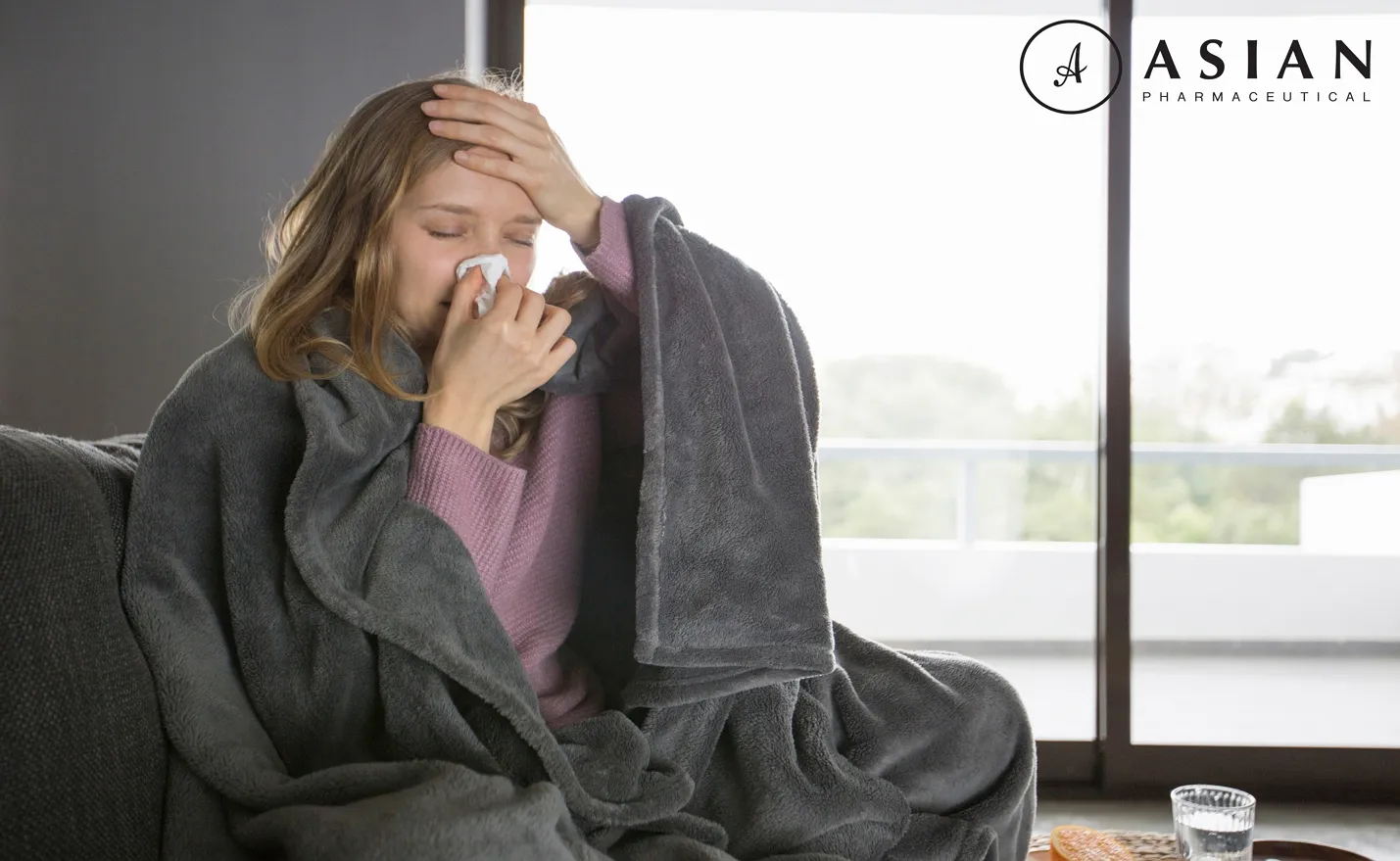
Antihistamines are widely used to relieve runny noses, allergies, and cold symptoms triggered by various factors such as seasonal allergies, dust, or pollen. These reactions occur when the body releases histamine, a chemical involved in immune responses. Histamine plays a key role in allergic reactions, causing sneezing, itching, rashes, and swelling of mucous membranes. Antihistamines work by blocking histamine receptors, helping to reduce symptoms and provide relief.
There are four types of histamine receptors in the body: H1, H2, H3, and H4, with modern antihistamines primarily targeting H1 and H2 receptors; H1 receptors are responsible for allergy-related symptoms such as runny nose, sneezing, and skin irritation, while H2 receptors are found in the stomach lining and regulate acid production, and this article focuses on H1 receptor antagonists, which are commonly used to treat allergies and cold-related symptoms.
Types of Antihistamines
Oral antihistamines are generally classified into two main categories, based on their actions and side effects
1. First-Generation Antihistamines (Sedating Antihistamines)
These first-generation antihistamines have been widely used for decades and are still commonly used. They effectively block H1 receptors, but their main drawback is drowsiness, as they easily cross the blood-brain barrier and suppress the central nervous system (CNS). Additionally, their anticholinergic properties can cause side effects like dry mouth, dry throat, and thickened mucus. Despite these limitations, they work quickly, making them ideal for short-term relief of symptoms like a runny nose from a cold. They are also commonly used as sleep aids and for preventing motion sickness.
Examples of First-Generation Antihistamines: Chlorpheniramine maleate (CPM), Brompheniramine maleate (BPM), Dimenhydrinate, Hydroxyzine
2. Second-Generation Antihistamines (Non-Sedating Antihistamines)
Second-generation antihistamines are designed to reduce drowsiness by selectively blocking H1 receptors while barely penetrating the brain, resulting in little to no sedation and making them far more suitable for long-term allergy management. A key advantage is their extended duration of action, often requiring just one dose per day, which adds to their convenience for daily use. These medications are particularly effective for managing chronic allergies such as hay fever, allergic rhinitis, and chronic hives.
Examples of Second-Generation Antihistamines: Cetirizine, Loratadine, Fexofenadine, Bilastine
First-Generation vs. Second-Generation Antihistamines
Key Precautions When Using Antihistamines
- Follow professional advice – Always take antihistamines as recommended by a doctor or pharmacist to avoid potential side effects or misuse.
- Watch out for drowsiness – First-generation antihistamines cause sedation, so avoid taking them before driving or operating heavy machinery. If you need a non-drowsy option, go for Loratadine, Fexofenadine, or Bilastine.
- Avoid taking antihistamines with sedatives or alcohol – Combining antihistamines with sleep aids, tranquilizers, or alcohol can intensify drowsiness, making it dangerous.
- Pregnant and breastfeeding women should consult a doctor – Some antihistamines may not be safe during pregnancy or while nursing, so seek medical advice before use.
Conclusion
Antihistamines are essential for managing allergies and cold symptoms, but selecting the right one depends on your specific condition and potential side effects. First-generation antihistamines provide fast relief but often cause drowsiness, whereas second-generation options are more suitable for long-term use with fewer side effects. To determine the most appropriate choice, consulting a healthcare professional is highly recommended.
[Reference]
1. Goyal, T., Kohli, S., & Tayal, R. (2022). Antihistamines in children: A dermatological perspective. Indian Journal of Paediatric Dermatology, 23(1), 8. https://doi.org/10.4103/ijpd.ijpd_124_21
2. Parisi, G., Leonardi, S., Ciprandi, G., Corsico, A., Licari, A., Del Giudice, M. M., Peroni, D., Salpietro, C., & Marseglia, G. (2020). Antihistamines in children and adolescents: A practical update. Allergologia Et Immunopathologia, 48(6), 753–762. https://doi.org/10.1016/j.aller.2020.02.005
3. Church, M. K. (2016). Allergy, Histamine and Antihistamines. Handbook of Experimental Pharmacology, 321–331. https://doi.org/10.1007/164_2016_85
4. Patel, R. H., & Mohiuddin, S. S. (2023, May 1). Biochemistry, Histamine. StatPearls - NCBI Bookshelf. https://www.ncbi.nlm.nih.gov/books/NBK557790/
5. Kawauchi, H., Yanai, K., Wang, D. Y., Itahashi, K., & Okubo, K. (2019). Antihistamines for Allergic Rhinitis Treatment from the Viewpoint of Nonsedative Properties. International Journal of Molecular Sciences, 20(1), 213. https://doi.org/10.3390/ijms20010213
6. Pien, L. C. (2000). Appropriate use of second-generation antihistamines. Cleveland Clinic Journal of Medicine, 67(5), 372–380. https://doi.org/10.3949/ccjm.67.5.372
7. Professional, C. C. M.. Histamine. Cleveland Clinic. https://my.clevelandclinic.org/health/articles/24854-histamine
8. Professional, C. C. M.. Antihistamines. Cleveland Clinic. https://my.clevelandclinic.org/health/drugs/21223-antihistamines
9. Histamine Storage and Release. (2024, February 20). News-Medical. https://www.news-medical.net/health/Histamine-Storage-and-Release.aspx
10. คุณรู้จักยาแก้แพ้มากแค่ไหน ?. โรงพยาบาลพญาไท | แพทย์ผู้เชี่ยวชาญเฉพาะทาง และแหล่งรวมความรู้ด้านสุขภาพ - Phyathai Hospital. Retrieved July 25, 2024, from https://www.phyathai.com/th/article/
11. ยาแก้แพ้ วิธีการกินอย่างถูกต้อง เพื่อป้องกันผลข้างเคียง. HDmall Thailand. Retrieved July 25, 2024, from https://hdmall.co.th/c/take-anti-allergy-correctly
12. Bedee-Expert. (2024, July 4). เจาะลึกยาแก้แพ้ มีกี่ชนิด อาการแบบนี้ควรเลือกอย่างไร - BeDee. https://www.bedee.com/articles/pharmacy/antihistamine
13. ยาแก้แพ้กลุ่มที่ทำให้ง่วงและไม่ง่วง รักษาอาการแพ้ได้เหมือนกันจริงหรือ?. https://pharmacy.mahidol.ac.th/dic/knowledge_full.php?id=27
14. ยาลดน้ำมูกในเด็ก. ข้อมูลสุขภาพ มูลนิธิหมอชาวบ้าน. https://www.doctor.or.th/article/detail/3044